Signs your New Orleans home needs rewiring
Most people don't find out their house needs rewiring from a checklist — they find out from an inspector's report during a sale, an insurance company declining to renew, or a breaker that won't stop tripping in a house that's otherwise fine. New Orleans has more of this housing stock than most cities: shotguns, doubles and camelbacks built long before central air, computers and a kitchen full of appliances were the norm, some of them still running wiring installed before 1960. Here's what to actually look for, and what changing it really involves.
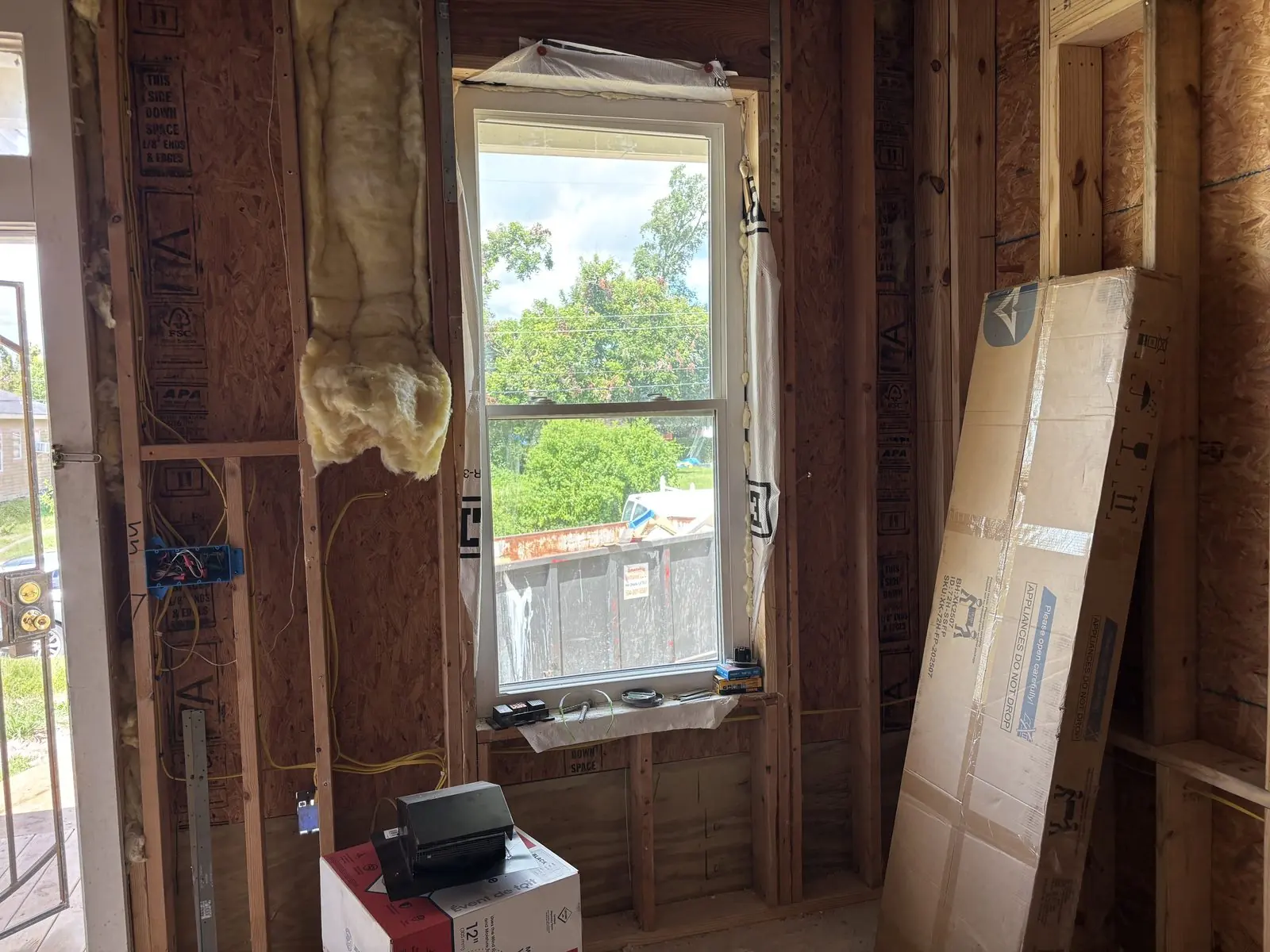
Knob and tube: the pre-1950s wiring
If your house was built before about 1950 and hasn't been fully rewired since, there's a real chance some of it is still knob and tube — wire run through ceramic knobs and tubes, with no ground and insulation that has had seventy-plus years to dry out and crack. Undisturbed and in good shape, it isn't a five-alarm emergency by itself. It becomes a real hazard the moment someone buries it under blown-in insulation, which traps heat it was never rated for, or splices a modern circuit into it, which is a mismatch waiting to fail. It's also increasingly an insurance problem on its own — most carriers won't write a new policy on a home actively using it, full stop.
Aluminum branch wiring: the other era to watch for
Homes built or renovated roughly between 1965 and 1973, when copper prices spiked, often used aluminum wire for branch circuits instead. Aluminum expands and contracts more than copper does with heat and cooling cycles, which loosens connections at outlets and switches over years of normal use. A loose connection makes heat before it makes a failure, which is why warm or discolored outlet covers, faint burning smells with no obvious source, or outlets that just stop working are the signs to take seriously in a house from this window. Not every aluminum-wired house needs a full rewire — sometimes the fix is replacing the connections at every outlet and switch with hardware rated to handle aluminum safely — but that's a determination worth having a licensed electrician make, not a guess.
The other signs, regardless of the wiring type
- Two-prong outlets with no ground slot. Common throughout the house in anything wired before the mid-1960s. No ground means no protective path if something fails, and it means most modern appliances and surge protectors aren't actually protected the way they're designed to be.
- Breakers that trip repeatedly with no obvious overload. Especially useful to check against our breaker-tripping guide — a pattern that doesn't match simple overload is often old wiring, not a new problem.
- Flickering lights across the whole house, not just one fixture, especially when a major appliance kicks on.
- A fuse box instead of a breaker panel. Fuses were standard until breakers took over in the 1960s–70s; a house still running one almost certainly has original wiring behind it too.
- Cloth-insulated wire visible in an attic or crawlspace — fabric-wrapped rather than the plastic sheathing used today.
- A recent termite treatment or inspection that flagged wiring damage. Formosan termites are a real driver of hidden wiring failures here; see our termite and wiring guide for how that connects.
You don't have to do it all at once
A full rewire sounds like tearing a house apart, and it can be if it's done carelessly. Staged the right way, each phase is complete and safe on its own — the panel and kitchen first, say, then bedrooms, then the rest — rather than leaving a house half on new wire and half on knob and tube with no plan for the remainder. Most owners stage it around what they can budget for, or around a kitchen or bathroom renovation that's already opening up walls, which is the cheapest time to get wiring done in that area regardless.
What we actually do to the walls
The goal on any rewire is minimal, targeted access, not gutting a room to run wire. Fishing new wire through existing chases, working from an attic or crawlspace where the house allows it, and patching exactly what had to be opened keeps the damage list short and expected instead of a surprise line item at the end. We walk the house and tell you what's actually going to need to be opened before any work starts, not after.
What it means for a sale or a policy
Knob and tube or aluminum wiring showing up on a home inspection report is one of the more common things that stalls a New Orleans sale — not because it kills the deal, but because it turns into a renegotiation nobody planned for at the closing table. Some insurers decline to renew or won't write new coverage on a home with either, and some lenders flag it during underwriting on a purchase. Getting ahead of it, whether that's addressing it before listing or just having a real scope and number in hand, keeps that conversation on your terms.
Not sure what's behind your walls?
We can usually tell what era of wiring a house is running from the panel and a few outlets, in under an hour, with no walls opened. Then you get a real scope and a real number.
Request a free estimateOr call or text (504) 514-8224
How do I know if my house has knob and tube or aluminum wiring?
The build era is the first clue — pre-1950s homes are the most likely candidates for knob and tube, and homes built or renovated between roughly 1965 and 1973 are the ones most likely to have aluminum branch wiring. From there, a two-prong outlet with no ground slot, exposed ceramic knobs and cloth-wrapped wire visible in an attic or basement, or discoloration around outlets and switches are all visible signs. A licensed electrician can confirm it from the panel and a few outlets in under an hour without opening walls.
Is knob and tube wiring dangerous?
Undisturbed knob and tube in good condition is not an immediate emergency, but it has no ground, its insulation gets brittle with age, and it becomes genuinely hazardous when covered with insulation or spliced into modern circuits. Most insurance carriers will not write a policy on a home actively using it.
Do I have to rewire the whole house at once?
No. A staged rewire lets you tackle it by area or by priority — the kitchen and panel first, then bedrooms, then the rest — with each phase complete and safe on its own rather than leaving the house half on old wire with no plan for the remainder. Most owners stage it around budget or around a renovation that's already opening up walls in one part of the house.
Can I sell a house with knob and tube or aluminum wiring?
You can list it, but expect it to come up in the inspection and expect it to affect financing and insurance. Many insurers won't write a new policy on active knob and tube, and some lenders flag it during underwriting. Addressing it before listing, or at minimum having a clear scope and quote ready, avoids a renegotiation at the closing table.
Will rewiring damage my plaster walls?
Some opening of walls is usually unavoidable, but the goal is minimal, targeted access — not gutting a room. Fishing wire through existing chases, working from the attic or crawlspace where possible, and patching what has to be opened keeps the damage to a manageable, expected list rather than a surprise.
How much does rewiring cost?
It depends on the size of the house, how much of it needs rewiring, and how accessible the walls are — a full attic and crawlspace with good access costs less to work in than a two-story house with finished ceilings throughout. We give a real number after walking the house, not a phone estimate, because the access question changes the price more than almost anything else.